AIRSUPRA is indicated for the as-needed treatment or prevention of bronchoconstriction and to reduce the risk of exacerbations in patients with asthma 18 years of age and older.





DENALI TRIAL (N=989):
Lung function trial in patients with mild to moderate asthma1

MANDALA TRIAL (N=3040):
Exacerbation risk trial in patients with moderate to severe asthma1
BATURA TRIAL (N=2421):
Exacerbation risk trial in patients with intermittent to mild persistent asthma4,5
- BATURA trial design
- MANDALA trial design
- DENALI trial design
BATURA: AIRSUPRA VS ALBUTEROL AS RESCUE THERAPY IN PATIENTS WITH INTERMITTENT TO MILD PERSISTENT ASTHMA1,4
Phase IIIb, randomized, double-blind, fully virtual, patient-centric, event-driven exacerbation trial (≥12 weeks) in patients with asthma ≥12 years of age1,4
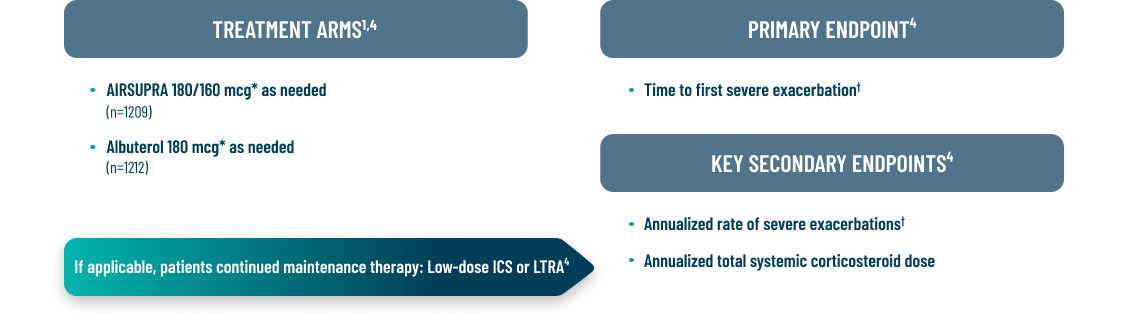

While patients 12 to 17 years of age were included in BATURA, AIRSUPRA is not approved in this age group; therefore, efficacy results are only presented for adults .
Key Inclusion Criteria6
Diagnosis of asthma
Use of SABA alone or SABA plus a background of either low-dose ICS or LTRA*
≥2 SABA uses for symptoms within 2 weeks prior to enrollment
AIRQ® score of ≥2 at baseline, indicating uncontrolled disease†
Key exclusion Criteria6
Significant lung disease other than asthma or any other significant disease
Hospitalization due to asthma in the 3 months prior to enrollment or ICU admission with life-threatening asthma at any time
Use of LABA, theophylline, anticholinergics, cromone, or medium-/high-dose ICS as regular maintenance asthma therapy in the 3 months prior to enrollment
Use of SCS in the 6 weeks prior to enrollment
AIRQ® is a validated 10-item tool to assess symptom impairment and exacerbation risk domains of asthma control in patients ≥12 years. A score of 0-1 is well controlled, a score of 2-4 is not well controlled, and a score of 5-10 is very poorly controlled.6
AIRQ, Asthma Impairment and Risk Questionnaire; ICS, inhaled corticosteroid; ICU, intensive care unit; LABA, long-acting β2-agonist; LTRA, leukotriene receptor antagonist; SABA, short-acting β2-agonist; SCS, systemic corticosteroid.
KEY DEMOGRAPHICS1,5
Mean age: 44 years (range: 18-95 years)
Gender:
Male: 31%
Female: 69%
Race:
Caucasian: 70%
Black/African American: 18%
Other*: 12%
Ethnicity:
Hispanic or Latino: 12%
Non-Hispanic or Latino: 88%
KEY Clinical Parameters5
Median time since diagnosis (years): 25
Median time since last severe exacerbation (days): 147†
Baseline AIRQ® score, mean: 4.8


- *Included Asian, American Indian/Alaska Native, Native Hawaiian/other Pacific Islander, multiple races, not reported, and other.
- Data were available for 135 participants in the albuterol-budesonide group and for 132 participants in the albuterol group.4
- AIRQ, Asthma Impairment and Risk Questionnaire; ICS, inhaled corticosteroid; LTRA, leukotriene receptor antagonist; SABA, short-acting β2-agonist.
*Trial medication was administered via pMDI in 2 actuations of AIRSUPRA 90/80 mcg
†In the BATURA trial, a severe exacerbation was defined by ≥1 of the following: a worsening of symptoms resulting in at least 3 days’ use of a systemic department or urgent care visit for asthma glucocorticoids, hospitalization due to asthma, or death.4
ICS, inhaled corticosteroid; LTRA, leukotriene receptor antagonist; pMDI, pressurized
MANDALA: AIRSUPRA VS ALBUTEROL AS RESCUE THERAPY IN PATIENTS WITH MODERATE TO SEVERE ASTHMA1,3
Phase III, randomized, double-blind, multicenter, variable-length exacerbation trial (≥24 weeks) in symptomatic patients with asthma ≥12 years of age1,3
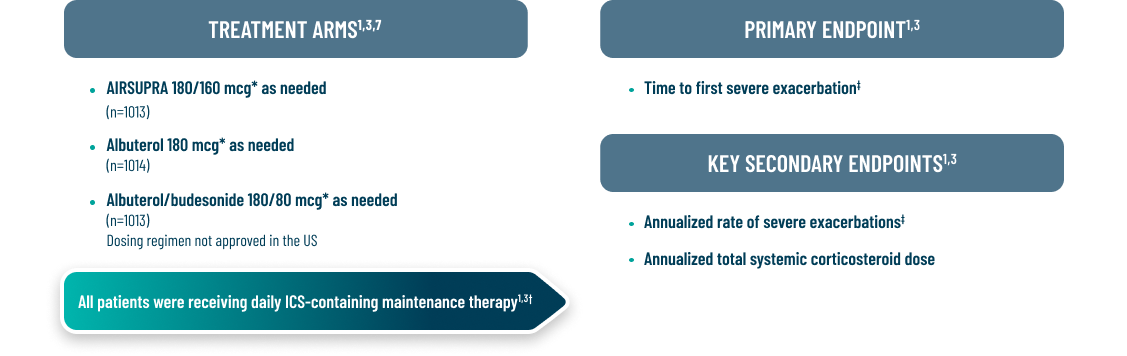

While patients 12 to 17 years of age were included in MANDALA, AIRSUPRA is not approved in this age group; therefore, efficacy results are only presented for adults of age. Since albuterol/budesonide 180/80 mcg is not an approved dose, this website will not include results for this arm of the trial.
Key Inclusion Criteria1,8
Symptomatic patients with moderate to severe asthma
≥1 year since asthma diagnosis
≥1 severe asthma exacerbation in the previous year
Asthma maintenance therapy* for ≥3 months, with stable dosing for ≥4 weeks prior to screening
Prebronchodilator FEV1 ≥40% to <90% of predicted normal (for patients aged 12 to <18 years old, ≥60%) and confirmed reversibility to albuterol
Key exclusion Criteria8
COPD or other significant lung disease
SCS within 6 weeks prior to screening
Chronic OCS use (≥3 weeks within 3 months prior to screening)
Biologic treatment within 3 months or 5 half-lives of screening
While patients 12 to 17 years of age were included in MANDALA, AIRSUPRA is not approved in this age group; therefore, efficacy results are only presented for adults ≥18 years of age.
COPD, chronic obstructive pulmonary disease; FEV1, forced expiratory volume in 1 second; ICS, inhaled corticosteroid; LABA, long-acting β2-agonist; LAMA, long-acting muscarinic antagonist; LTRA, leukotriene receptor antagonist; OCS, oral corticosteroid; SCS, systemic corticosteroid.
Adult efficacy population (n=2940)1
Key DEMOGRAPHICS1,7
Mean age: 52 years (range: 18-84 years)
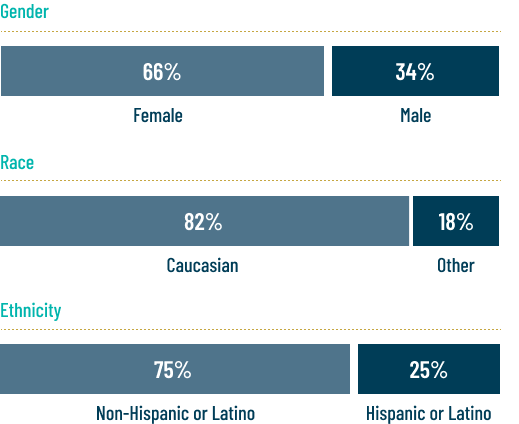
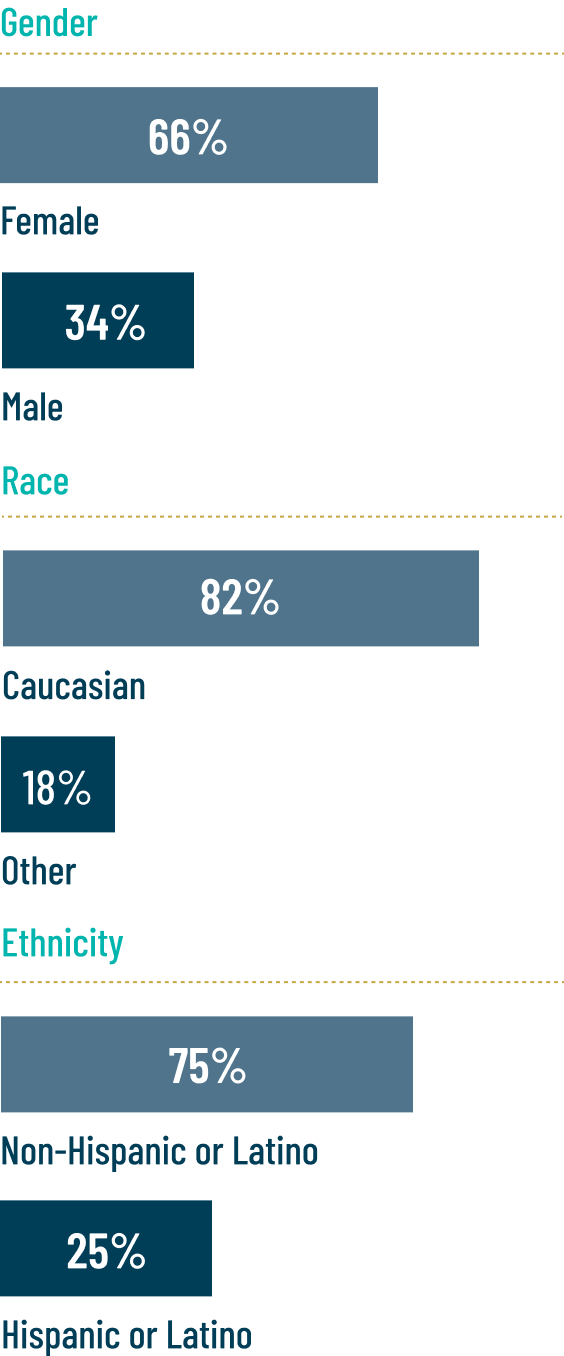
Key Clinical Parameters1,7
Mean prebronchodilator % predicted FEV1: 63% (range: 33%-101%)*
Mean % reversibility in FEV1: 28%†
Number of severe exacerbations within prior 12 months
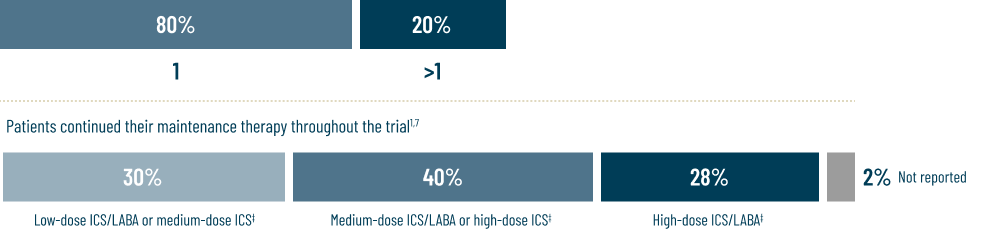
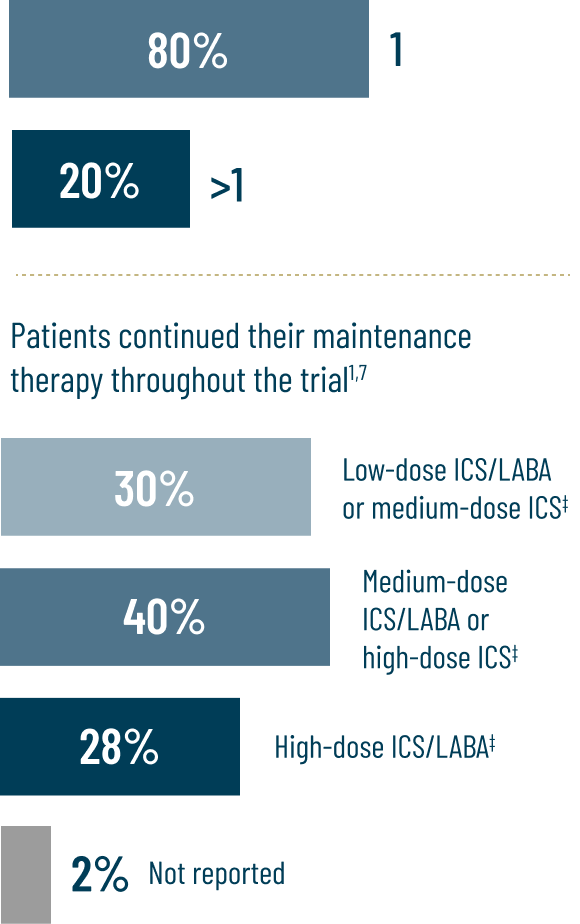
- *n=2938.
- †n=2937.
- ‡Taken with or without LTRA, LAMA, or theophylline.
FEV1,forced expiratory volume in 1 second; ICS, inhaled corticosteroid; LABA, long-acting β2-agonist; LAMA, long-acting muscarinic antagonist; LTRA, leukotriene receptor antagonist.
*Administered as 2 actuations, with each actuation delivering albuterol/budesonide 90/80 mcg for the 180/160-mcg arm, albuterol/budesonide 90/40 mcg for the arm, and albuterol 90 mcg for the albuterol-alone arm.3
†Taken with or without LTRA, LAMA, or theophylline.3
‡In the MANDALA trial, an exacerbation was defined as severe if at least one of the following occurred: worsening or onset of asthma symptoms that required SCS for ≥3 days, an emergency room visit that led to the use of SCS for ≥3 days, or an inpatient hospitalization for ≥24 hours due to asthma.1
ICS, inhaled corticosteroid; LAMA, long-acting muscarinic antagonist; LTRA, leukotriene receptor antagonist; SCS, systemic corticosteroid.
DENALI: A LUNG FUNCTION TRIAL IN PATIENTS WITH MILD TO MODERATE ASTHMA1
Phase III, randomized, double-blind, active-comparator, placebo-controlled lung function trial conducted over 12 weeks1,2


While patients 12 to 17 years of age were included in DENALI, AIRSUPRA is not approved in this age group; therefore, efficacy results are only presented for adults ≥18 years of age. Since albuterol/budesonide 180/80 mcg is not an approved dose, this website will not include results for this arm of the trial. AIRSUPRA is not indicated or approved for maintenance use.
Key Inclusion Criteria1,2,9
Patients with mild to moderate asthma
Receiving one of the following inhaled asthma medications with stable dosing for ≥30 days prior to screening:
- As-needed SABA, or
- Stable low-dose ICS plus as-needed SABA
Prebronchodilator FEV1 of ≥50% to <85% of predicted normal (for patients aged 12 to <18 years old, ≥50%)
Reversibility of FEV1 (≥15% increase compared to baseline)
Key exclusion Criteria2,9
COPD or other significant lung disease
SCS use within 3 months prior to screening
Chronic SCS use (≥3 weeks) within 6 months prior to screening
Asthma-related hospitalization within 6 months prior to screening
While patients 12 to 17 years of age were included in DENALI, AIRSUPRA is not approved in this age group; therefore, efficacy results are only presented for adults ≥18 years of age.
COPD, chronic obstructive pulmonary disease; FEV1, forced expiratory volume in 1 second; ICS, inhaled corticosteroid; SABA, short-acting β2-agonist; SCS, systemic corticosteroid.
Adult efficacy population (n=964)1
Key DEMOGRAPHICS1,7
Mean age: 50 years (range: 18-90 years)
*Patients used sponsor-provided albuterol as needed in response to symptoms during the treatment period.2
†Doses consisted of two inhaler actuations, with each actuation delivering albuterol/budesonide 90/80 mcg for the 180/160-mcg arm, albuterol/budesonide 90/40 mcg for the 180/80-mcg arm, budesonide 80 mcg for the budesonide-alone arm, and albuterol 90 mcg for the albuterol-alone arm.2
QID, four times daily.
MANDALA: A HEAD-TO-HEAD TRIAL OF AIRSUPRA vs albuterol as rescue therapy
Phase III, randomized, double-blind, multicenter, variable-length exacerbation study (≥24 weeks) in symptomatic patients with moderate to severe asthma1,5


While patients 12 to 17 years of age were included in MANDALA, AIRSUPRA is not approved in this age group; therefore, efficacy results are only presented for adults ≥18 years of age. Since albuterol/budesonide 180/80 mcg is not an approved dose, this website will not include results for this arm of the study.
Key Inclusion Criteria1,2
≥1 severe asthma exacerbation in the previous year
Asthma maintenance therapy* for ≥3 months, with stable dosing for ≥4 weeks prior to screening
Prebronchodilator FEV1 ≥40% to <90% of predicted normal (for patients aged 12 to <18 years old, ≥60%) and confirmed reversibility to albuterol
Key Inclusion Criteria2
COPD or other significant lung disease
SCS within 6 weeks prior to screening
Chronic OCS use (≥3 weeks within 3 months prior to screening)
Biologic treatment within 3 months or 5 half-lives of screening
*Medium- to high-dose ICS or low- to high-dose ICS/LABA with or without an additional controller: LTRA, LAMA, or xanthines.
COPD, chronic obstructive pulmonary disease; FEV1, forced expiratory volume in 1 second; ICS, inhaled corticosteroid; LABA, long-acting β2-agonist; LAMA, long-acting muscarinic antagonist; LTRA, leukotriene receptor antagonist; OCS, oral corticosteroid; SCS, systemic corticosteroid.


- n=2938.
- n=2937.
- Taken with or without LTRA, LAMA, or theophylline.
FEV1, forced expiratory volume in 1 second; ICS, inhaled corticosteroid; LABA, long-acting β2-agonist; LAMA, long-acting muscarinic antagonist; LTRA, leukotriene receptor antagonist.
Administered as 2 actuations, with each actuation delivering albuterol-budesonide 90/80 mcg for the 180/160-mcg arm, albuterol-budesonide 90/40 mcg for the 180/80-mcg arm, and albuterol 90 mcg for the albuterol-alone arm.3
ICS, inhaled corticosteroid.
DENALI: A LUNG FUNCTION STUDY IN PATIENTS WITH MILD TO MODERATE ASTHMA
Phase III, randomized, double-blind, active-comparator and placebo-controlled lung function study conducted over 12 weeks1,2

While patients 12 to 17 years of age were included in DENALI, AIRSUPRA is not approved in this age group; therefore, efficacy results are only presented for adults ≥18 years of age. Since albuterol/budesonide 180/80 mcg is not an approved dose, this webiste will not include results for this arm of the study.
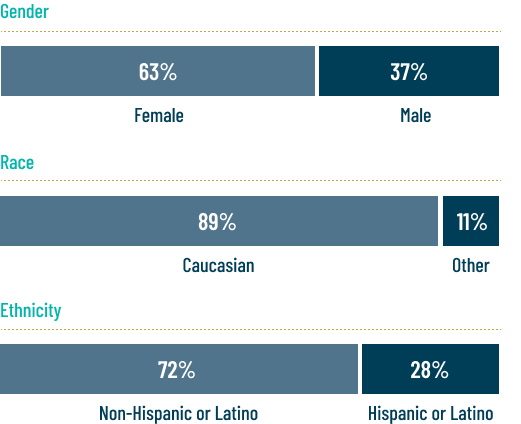
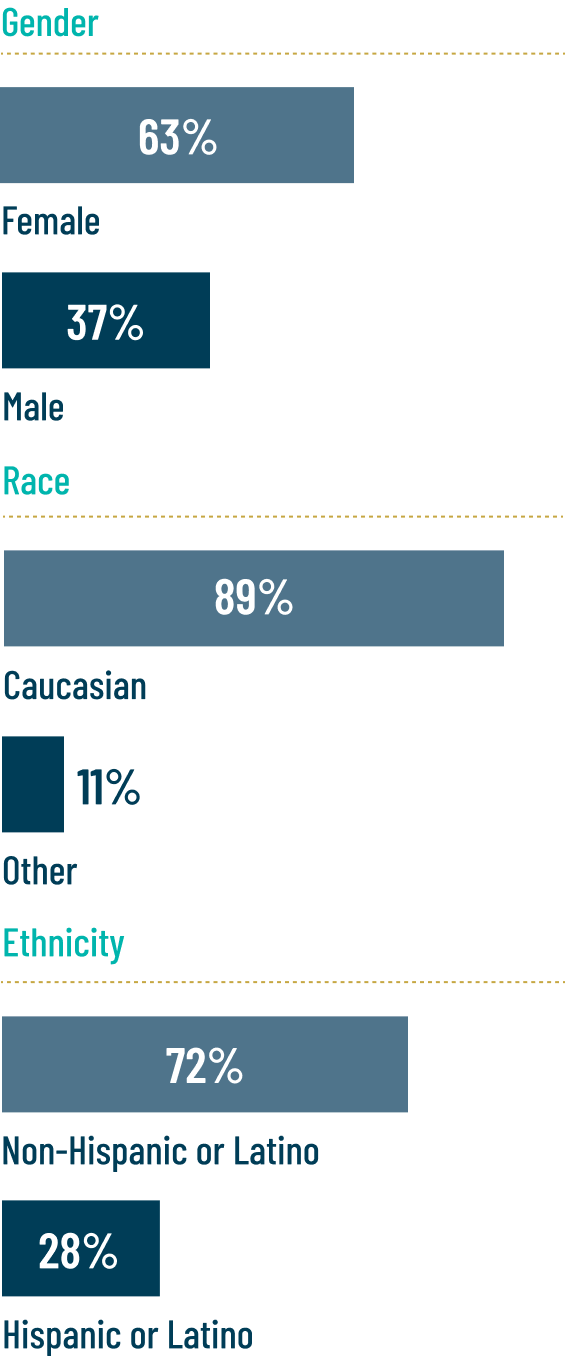
Key DEMOGRAPHICS22
18 years of age and older (n=964)
Mean age: 50 years (range: 18-90 years)
63% female
89% Caucasian
28% of Hispanic or Latino ethnicity


Register for updates about AIRSUPRA
Thank you!
You are now registered for ongoing news, updates, and information about AIRSUPRA.
AstraZeneca is committed to helping healthcare professionals provide appropriate care to their patients. Please provide us with the above information so that we can keep our records up to date and can send you any information that you request. If in the future you no longer want to receive health-related materials from AstraZeneca, please call 1-800-236-9933. Please visit www.azprivacynotice.com to review our Privacy Notice.
IMPORTANT SAFETY INFORMATION
IMPORTANT SAFETY INFORMATION
- Contraindications: Hypersensitivity to albuterol, budesonide, or to any of the excipients
- Deterioration of Asthma: Asthma may deteriorate acutely over a period of hours or chronically over several days or longer. If the patient continues to experience symptoms after using AIRSUPRA or requires more doses of AIRSUPRA than usual, it may be a marker of destabilization of asthma and requires evaluation of the patient and their treatment regimen
- Paradoxical Bronchospasm: AIRSUPRA can produce paradoxical bronchospasm, which may be life threatening. Discontinue AIRSUPRA immediately and institute alternative therapy if paradoxical bronchospasm occurs. It should be recognized that paradoxical bronchospasm, when associated with inhaled formulations, frequently occurs with the first use of a new canister
- Cardiovascular Effects: AIRSUPRA, like other drugs containing beta2-adrenergic agonists, can produce clinically significant cardiovascular effects in some patients, as measured by pulse rate, blood pressure, and/or other symptoms. If such effects occur, AIRSUPRA may need to be discontinued. In addition, beta-agonists have been reported to produce electrocardiogram (ECG) changes, such as flattening of the T wave, prolongation of the QTc interval, and ST-segment depression. Therefore, AIRSUPRA, like all sympathomimetic amines, should be used with caution in patients with cardiovascular disorders, especially coronary insufficiency, cardiac arrhythmias, and hypertension
- Do Not Exceed Recommended Dose: Clinically significant cardiovascular effects and fatalities have been reported in association with excessive use of inhaled sympathomimetic drugs
- Hypersensitivity Reactions, Including Anaphylaxis: Can occur after administration of albuterol sulfate and budesonide, components of AIRSUPRA, as demonstrated by cases of anaphylaxis, angioedema, bronchospasm, oropharyngeal edema, rash, and urticaria. Discontinue AIRSUPRA if such reactions occur
- Risk of Sympathomimetic Amines with Certain Coexisting Conditions: AIRSUPRA, like all therapies containing sympathomimetic amines, should be used with caution in patients with convulsive disorders, hyperthyroidism, or diabetes mellitus and in patients who are unusually responsive to sympathomimetic amines
- Hypokalemia: Beta-adrenergic agonist medicines may produce significant hypokalemia in some patients. The decrease in serum potassium is usually transient, not requiring supplementation
- Immunosuppression and Risk of Infections: Due to possible immunosuppression from the use of inhaled corticosteroids (ICS), potential worsening of infections could occur. Use with caution. A more serious or fatal course of chickenpox or measles can occur in susceptible patients
- Oropharyngeal Candidiasis: Has occurred in patients treated with ICS agents. Monitor patients periodically. Advise patients to rinse his/her mouth with water, if available, without swallowing after inhalation
- Hypercorticism and Adrenal Suppression: May occur with very high doses in susceptible individuals. If such changes occur, consider appropriate therapy
- Reduction in Bone Mineral Density: Decreases in bone mineral density have been observed with long-term administration of ICS. For patients at high risk for decreased bone mineral density, assess initially and periodically thereafter
- Glaucoma and Cataracts: Have been reported following the long-term administration of ICS, including budesonide, a component of AIRSUPRA
- Effects on Growth: Orally inhaled corticosteroids, including budesonide, may cause a reduction in growth velocity when administered to pediatric patients. The safety and effectiveness of AIRSUPRA have not been established in pediatric patients, and AIRSUPRA is not indicated for use in this population
- Most common adverse reactions (incidence ≥ 1%) are headache, oral candidiasis, cough, and dysphonia
- Drug Interactions: AIRSUPRA should be administered with caution to patients being treated with:
- -Strong cytochrome P450 3A4 inhibitors (may cause systemic corticosteroid effects)
- -Short-acting bronchodilators (concomitant use of additional beta-agonists with AIRSUPRA should be used judiciously to prevent beta-agonist overdose)
- -Beta-blockers (may block pulmonary effects of beta-agonists and produce severe bronchospasm)
- -Diuretics or non-potassium-sparing diuretics (may potentiate hypokalemia or ECG changes). Consider monitoring potassium levels
- -Digoxin (may decrease serum digoxin levels). Consider monitoring digoxin levels
- -Monoamine oxidase inhibitors (MAOI) or tricyclic antidepressants (Use AIRSUPRA with extreme caution; may potentiate effect of albuterol on the cardiovascular system)
- Use AIRSUPRA with caution in patients with hepatic impairment, as budesonide systemic exposure may increase. Monitor patients with hepatic disease
INDICATION
AIRSUPRA is a combination of albuterol, a beta2-adrenergic agonist and budesonide, a corticosteroid, indicated for the as-needed treatment or prevention of bronchoconstriction and to reduce the risk of exacerbations in patients with asthma 18 years of age and older.
Please see full Prescribing Information, including Patient Information.
You may report side effects related to AstraZeneca products .
.

Important Safety Information
+
Important Safety Information
References:
1.AIRSUPRA® (albuterol/budesonide) [prescribing information]. Wilmington, DE: AstraZeneca Pharmaceuticals LP; 2025.
2.Chipps BE, Israel E, Beasley R, et al. Albuterol-budesonide pressurized metered dose inhaler in patients with mild-to-moderate asthma: results of the DENALI double-blind randomized controlled trial. Chest. 2023;164(3):585-595. doi:10.1016/j.chest.2023.03.035
3.Papi A, Chipps BE, Beasley R, et al. Albuterol–budesonide fixed-dose combination rescue inhaler for asthma. N Engl J Med. 2022;386(22):2071-2083. doi:10.1056/NEJMoa2203163
4.LaForce C, Albers F, Danilewicz A, et al; BATURA Investigators. As-needed albuterol–budesonide in mild asthma. N Engl J Med. 2025;393(2):113-124. doi:10.1056/NEJMoa2504544
5.Data on File. REF-267550. AstraZeneca Pharmaceuticals LP.
6.LaForce C, Albers FC, Cooper M, et al. A fully decentralized randomized controlled study of as-needed albuterol–budesonide fixed-dose inhaler in mild asthma: the BATURA study design. J Asthma Allergy. 2024;17:801-811. doi:10.2147/JAA.S471134
7.Data on File. REF-174347. AstraZeneca Pharmaceuticals LP.
8.Chipps BE, Albers FC, Reilly L, Johnsson E, Cappelletti C, Papi A. BMJ Open Respir Res. 2021;8(1):e001077. doi: 10.1136/bmjresp-2021-001077
9.A 12-week, randomized, double-blind, placebo-controlled, multicenter, parallel group, phase III study evaluating the efficacy and safety of PT027 compared to PT008 and PT007 administered QID in adults and children 4 years of age or older with asthma. ClinicalTrials.gov identifier: NCT03847896. Updated April 4, 2023. Accessed March 3, 2026. https://clinicaltrials.gov/study/NCT03847896

This product information is intended for US Healthcare Professionals only. AIRSUPRA is a registered trademark of the AstraZeneca group of companies.
©2026 AstraZeneca. All rights reserved.
US-99680; US-101262; US-106204; US-107044
Last Updated 3/26
US-99680; US-101262; US-106204; US-107044; US-108137
Last Updated 4/26
US-99680; US-101262; US-108137
Last Updated 4/26
US-99680; US-101262; US-108137
Last Updated 4/26
US-99680; US-101262; US-108137
Last Updated 4/26
US-99680; US-101262; US-108137
Last Updated 4/26
US-99680; US-108137
Last Updated 4/26
US-99680; US-101262; US-108137
Last Updated 4/26
US-99680; US-101262; US-108137
Last Updated 4/26
US-99680
Last Updated 5/25
US-107044; US-108137
Last Updated 4/26
US-108137
Last Updated 4/26
US-99680
Last Updated 5/25
US-99680; US-107044; US-115085
Last Updated 8/26
US-107044
Last Updated 3/26
US-99680; US-108137
Last Updated 4/26
